
Building the Process Behind the Product: Automation at SeAH Superalloy Technologies
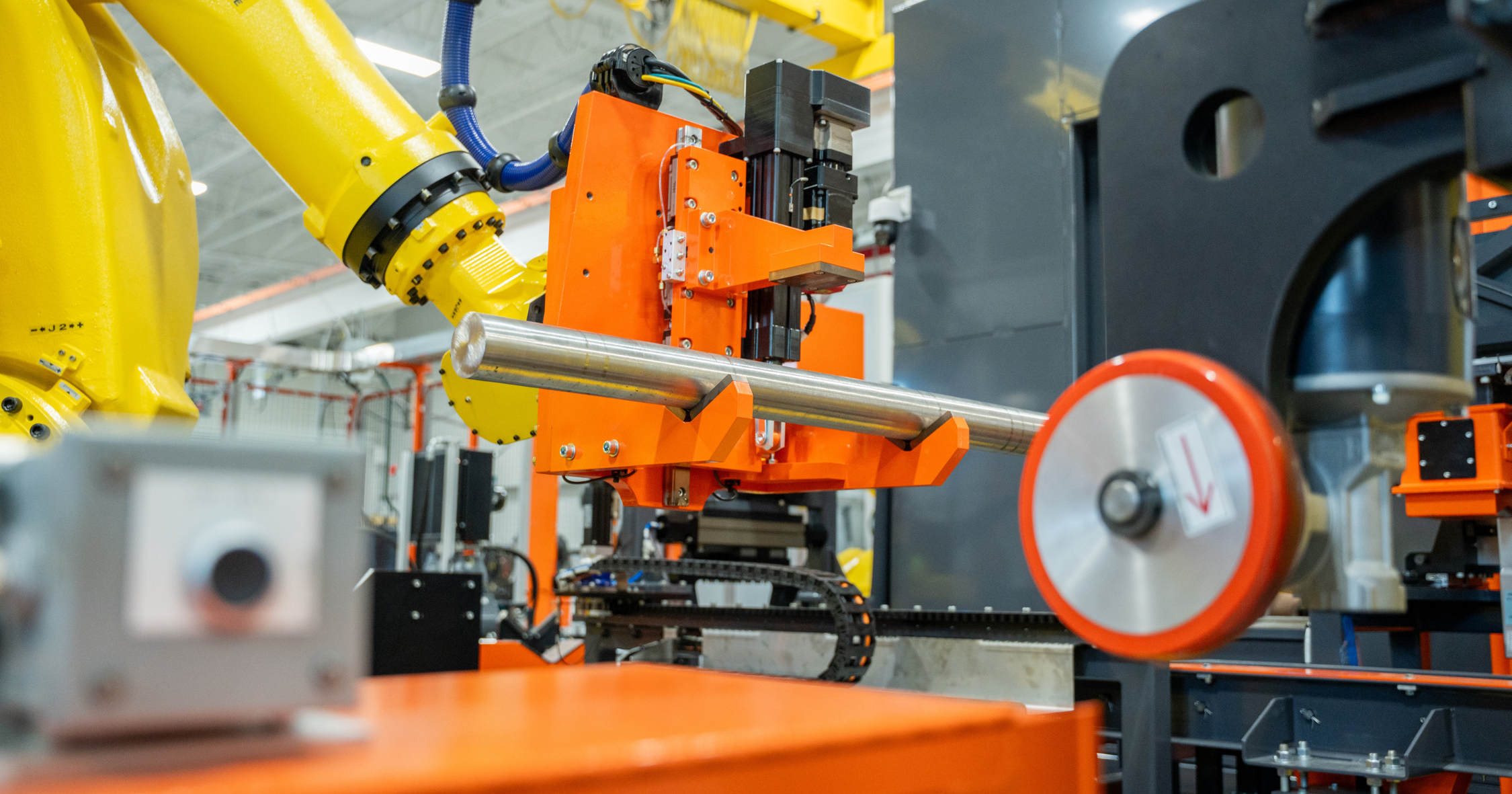

One of the greatest challenges in specialty metals manufacturing is balancing lead time with production uptime. Every unnecessary delay can affect delivery schedules, while unplanned interruptions can create ripple effects throughout the manufacturing process.
Meeting the demands of aerospace, defense, additive manufacturing, and advanced industrial markets requires more than advanced equipment. It requires manufacturing systems designed from the beginning for efficient material flow, process control, repeatability, and reliable performance.
At SeAH Superalloy Technologies, automation is playing an important role in how we are preparing our Cast Ingot processing operations for production. As equipment is commissioned and processes are established at our Temple facility, automated systems are being integrated throughout the processing line to create a manufacturing operation built for efficient, repeatable production.
.png)
Engineering Repeatability Into the Process
In specialty metals manufacturing, repeatability begins with process control.
Automating critical production steps helps establish consistent operating conditions and reduces unnecessary variation between operations. Integrated controls also provide production teams with greater visibility into process performance, allowing information to be captured and used throughout the manufacturing workflow.
The goal is not simply to automate individual tasks. It is to create a connected manufacturing process where equipment, data, and people work together effectively.
For our team, that means using automation to support consistent execution while giving engineers and operators the information they need to identify opportunities, respond to changing conditions, and continuously improve the process.
"As engineers, we've spent years designing these systems. Now we're seeing them come together on the shop floor. Every automation decision we've made is about creating a process that's repeatable, reliable, and built for long-term success." - Prath Anantwar, Process Engineering Manager
Designing for Uptime
Production efficiency depends on more than how quickly an individual piece of equipment can operate. The entire manufacturing process must work together.
Material movement, equipment sequencing, process transitions, and operator interaction can all affect overall production performance. By integrating automation across these areas, we are working to reduce unnecessary handling, improve workflow, and minimize interruptions that can affect production schedules.
That focus on uptime is directly connected to lead time.
A more predictable manufacturing process allows production teams to plan more effectively and creates a stronger foundation for dependable schedule performance as production volumes increase.
For customers, the result is a manufacturing partner focused not only on producing high-performance materials, but also on building the operational discipline required to deliver them consistently.
.png)
Creating a Scalable Manufacturing Foundation
The systems being established today are also designed with future production requirements in mind.
As customer demand develops, manufacturing processes must be capable of supporting increased production without sacrificing process control or operational performance. Automation provides a foundation that can help us scale production while maintaining disciplined manufacturing practices.
It also creates opportunities for continuous improvement. Production data can help our engineering and operations teams better understand equipment performance, identify potential bottlenecks, and refine processes as operating experience grows.
That capability becomes increasingly valuable as the facility moves from commissioning into sustained production.
.png)
From Engineering Design to the Shop Floor
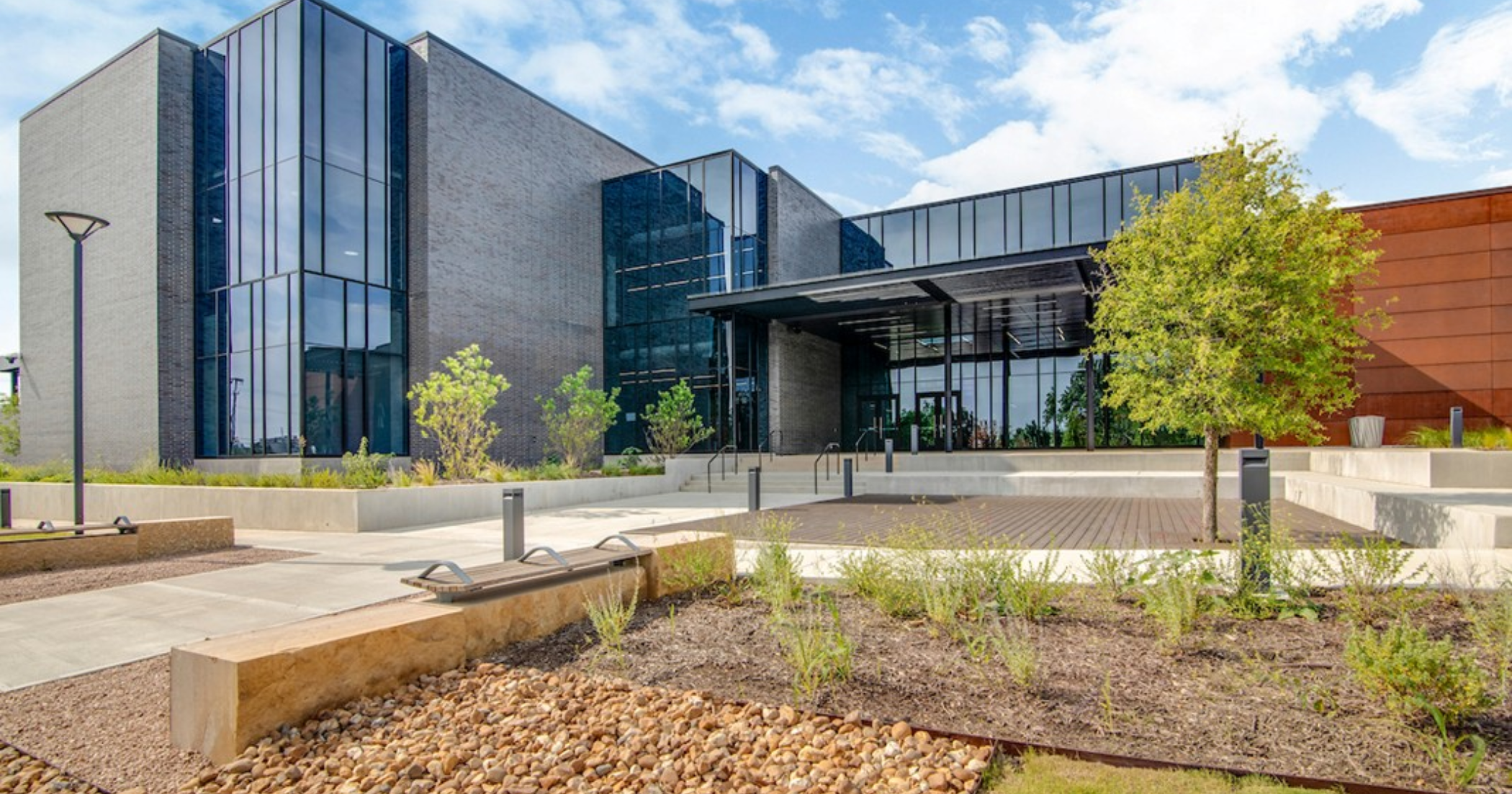
Across our Temple facility, years of engineering and planning are becoming operating manufacturing systems.
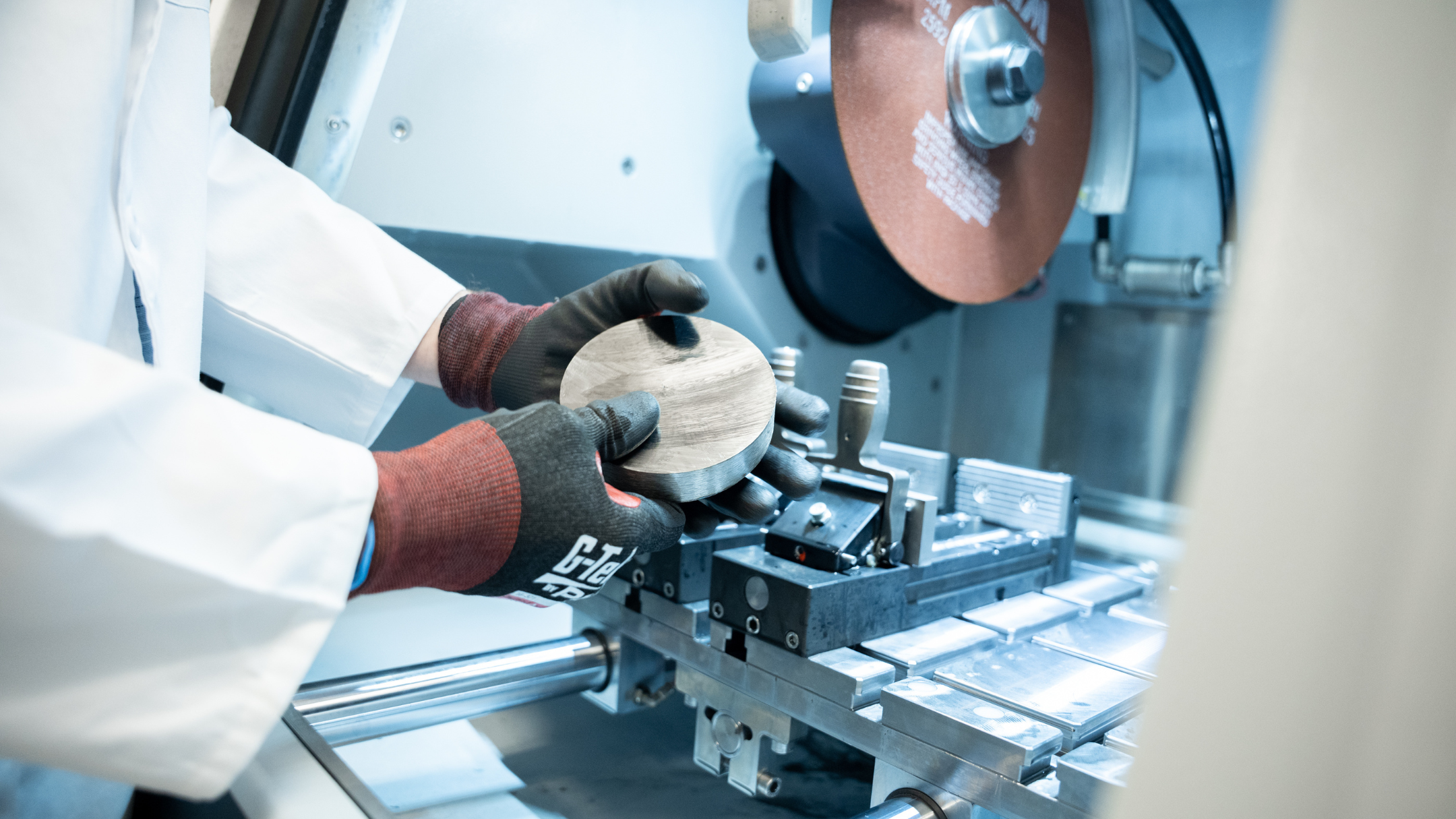
Equipment is being commissioned, automated processes are being integrated, and our teams are working through the details required to establish a reliable production environment.
Each completed system brings us closer to Cast Ingot production, but the work happening now is about more than reaching a production milestone. It is about establishing how the operation will perform for years to come.
By focusing on automation, uptime, process control, and continuous improvement from the beginning, SeAH Superalloy Technologies is building the processes behind the product and a manufacturing foundation designed to support dependable production as we grow.
.png)