
SeAH Superalloy Technologies January Construction Update: Advancing Key Systems and Equipment
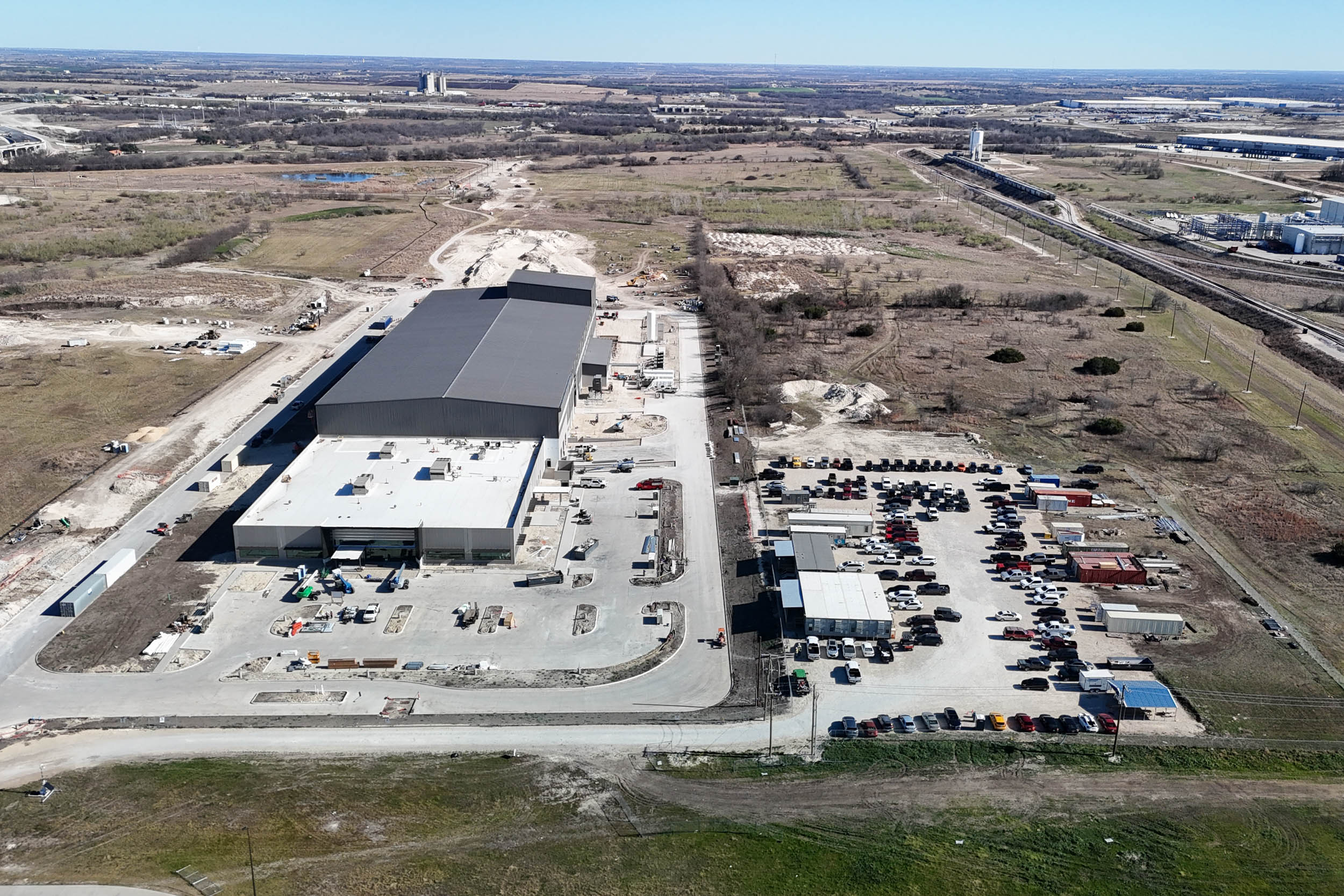

Building Momentum in Temple: Infrastructure Complete and Atomizer Installation Underway
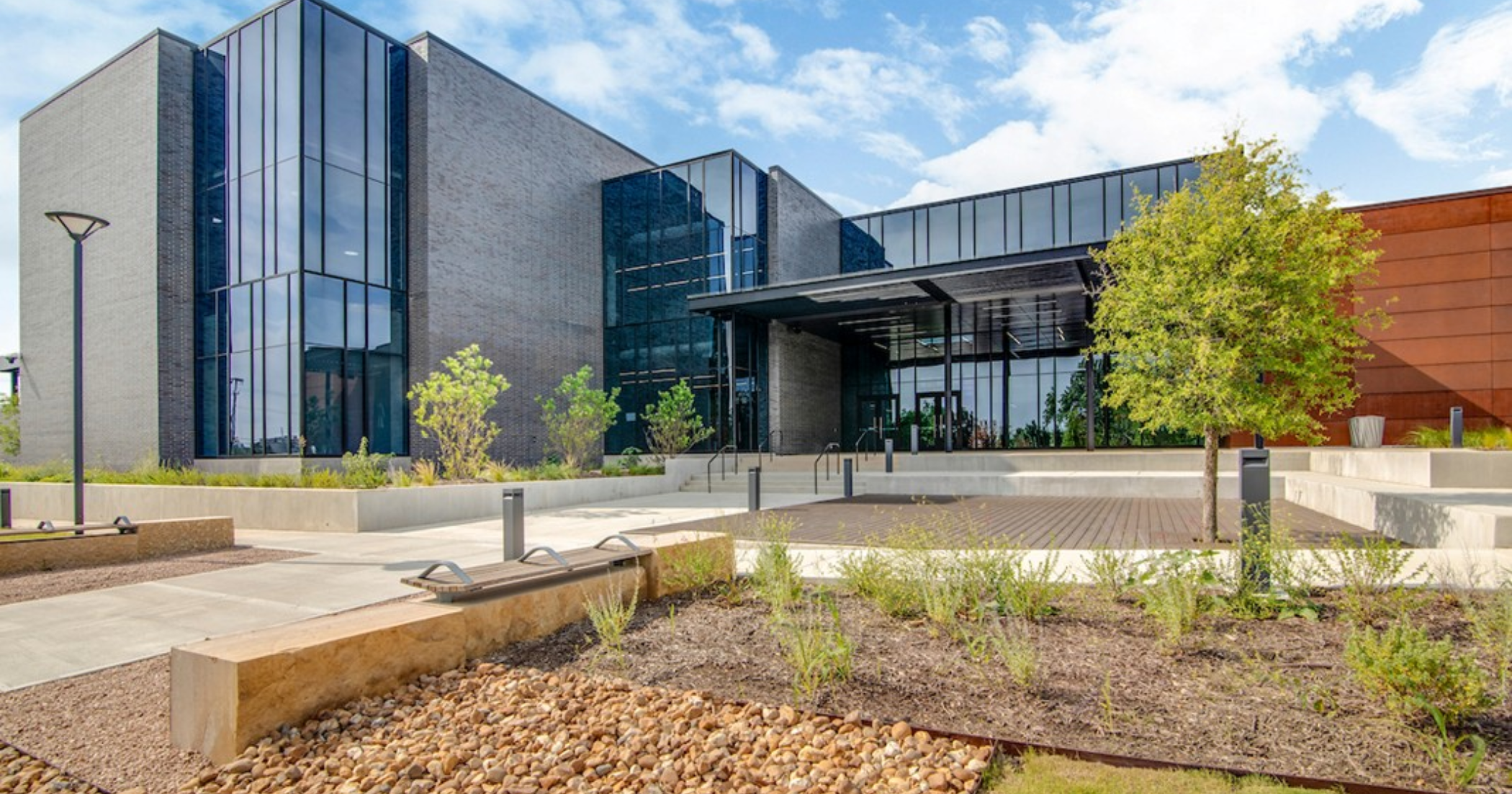
Construction activity across SeAH Superalloy Technologies’ Temple, Texas campus remained strong in January as teams finalized major infrastructure work and advanced installation of core production equipment. As sitewide systems come online, attention continues to shift toward equipment integration and commissioning.
Progress across the factory and office spaces included key developments in the installation of atomizer and melt equipment, moving the facility closer to operational readiness.
Completed This Month
- Sitewide flatwork and infrastructure activities neared completion
- Permanent utilities and systems energized across the campus
- Factory transitioned further off temporary power
- Major atomizer and melt equipment delivered, and installation initiated
- Bridge cranes fully commissioned and operational
- Office and laboratory buildouts advanced with system integration underway
Site Infrastructure
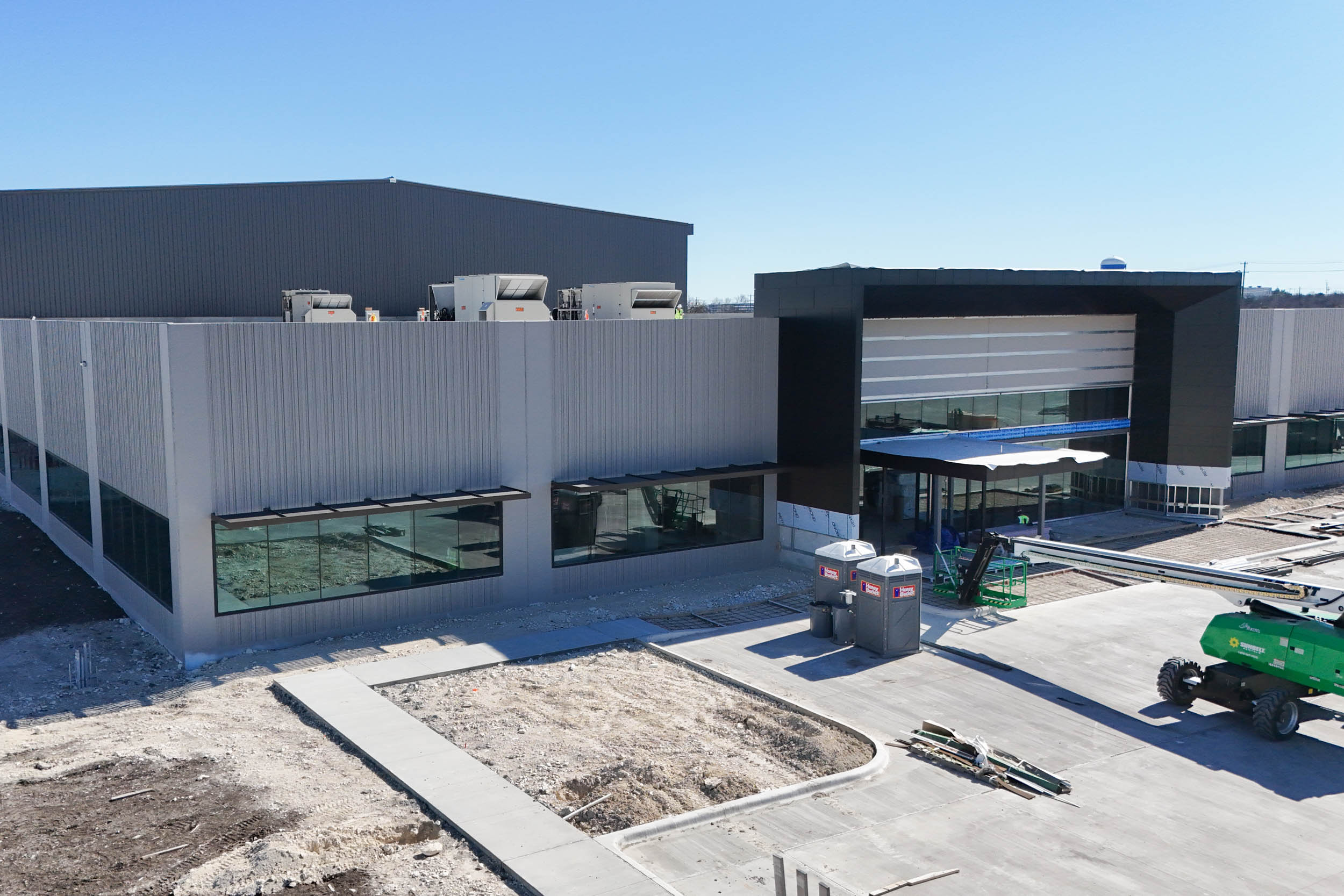
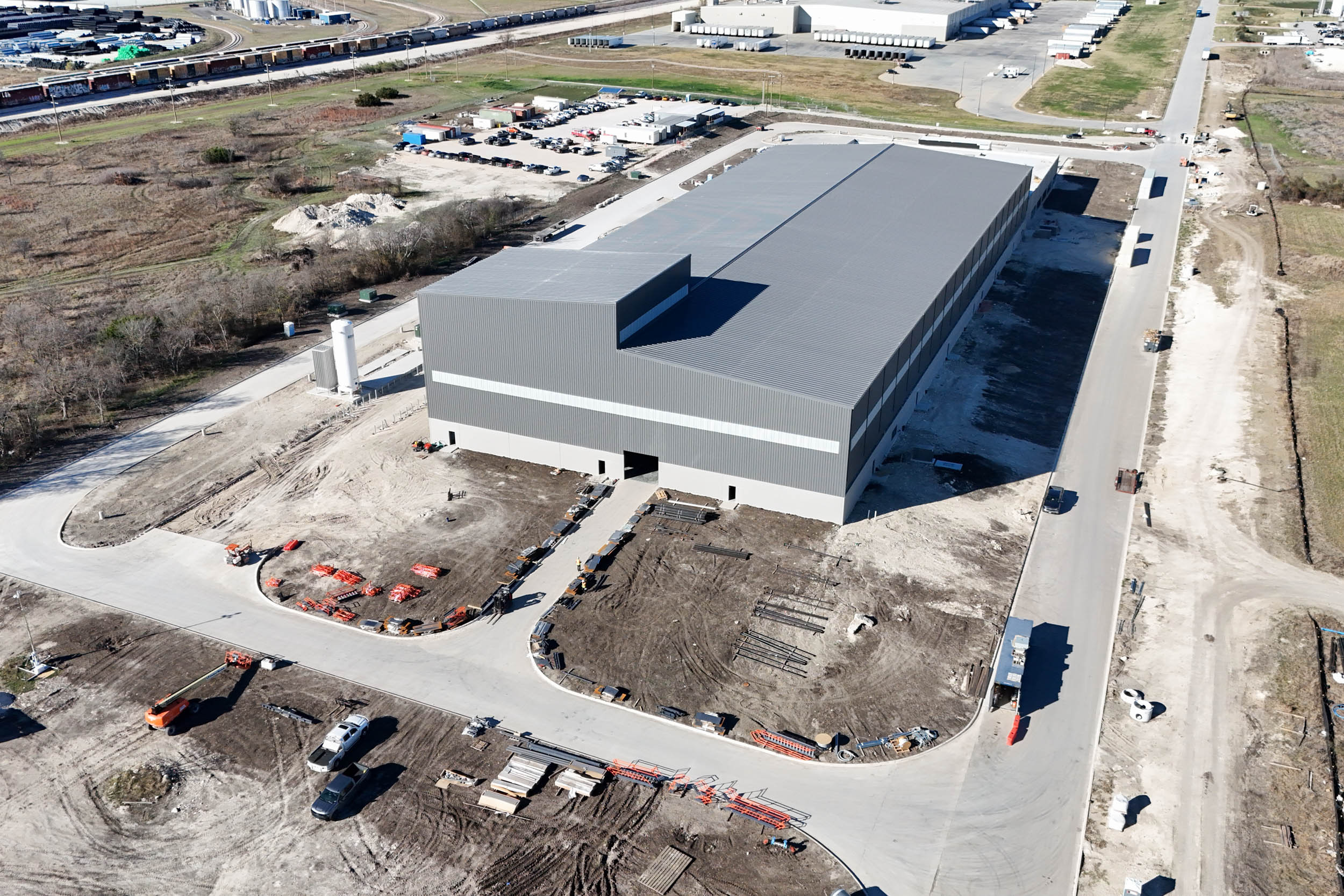
January work focused on finalizing the infrastructure required to support long-term campus operations. Concrete flatwork for roadways, parking areas, and sidewalks was completed across the facility. Coordination with the City of Temple progressed as sanitary line upgrades were completed to support permanent operations.
Installation of the 3,200-foot Atmos natural gas line to the facility was completed, strengthening the campus utility backbone. Additional site improvements included completing primary irrigation lines and the remaining equipment pads to support production systems.
Factory Building
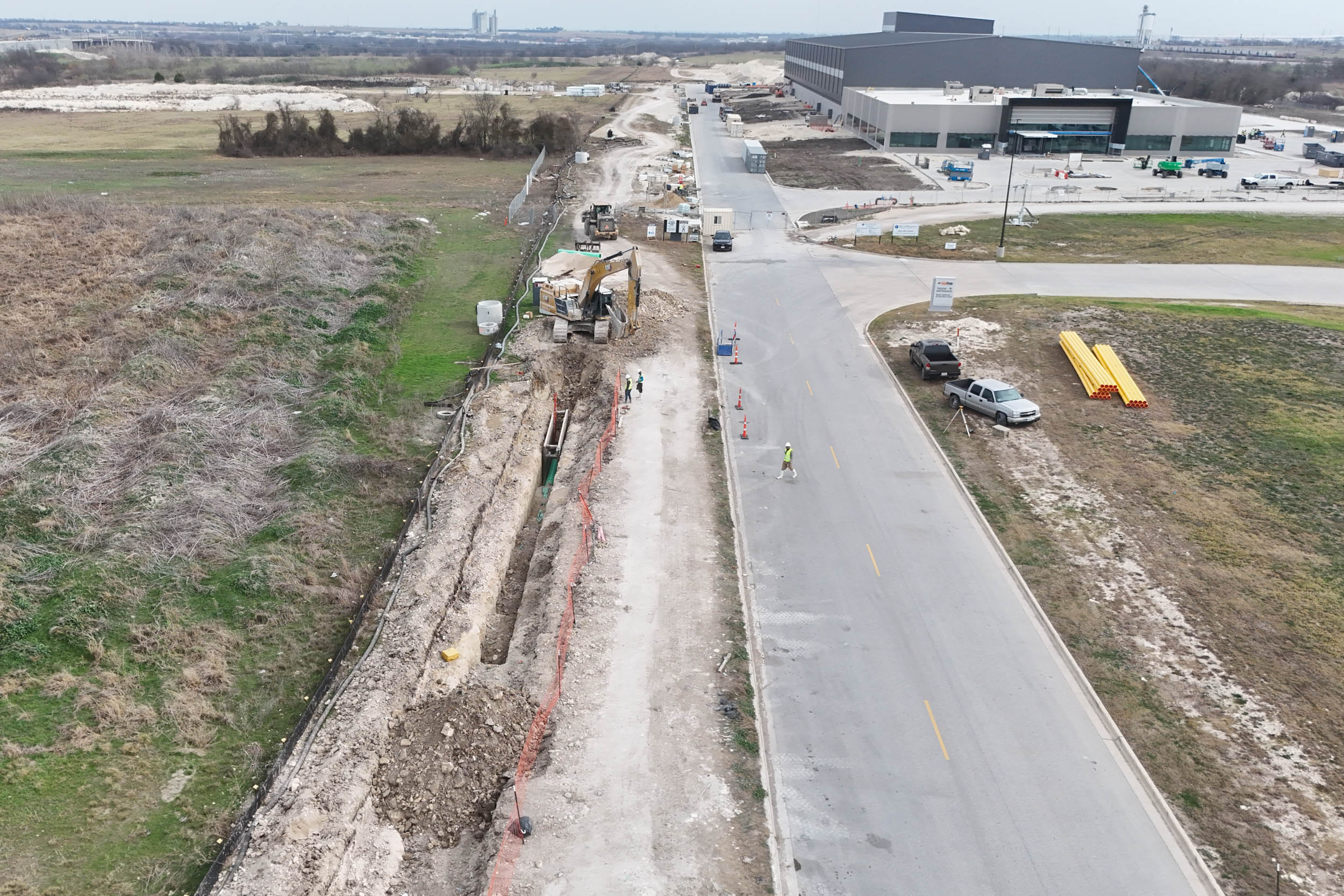
Inside the factory, teams continued transitioning systems toward operational configuration as permanent power was distributed to additional zones. Electrical and facility systems advanced in parallel, supporting ongoing equipment installation and movement across the production floor.
Key factory progress this month included:
- Permanent power distributed to additional factory zones
- Distribution panels energized and temporary lighting removed
- Ventilation louvers completed
- Factory air compressors and dryers installed and commissioned
- Concrete floors cleaned and sealed throughout production areas
Material handling capability reached an important point in January as the 20-ton and 32/5-ton bridge cranes were fully commissioned and certified. With these systems operational, crews can safely support heavy equipment installation and internal logistics.
Atomizer Preparation
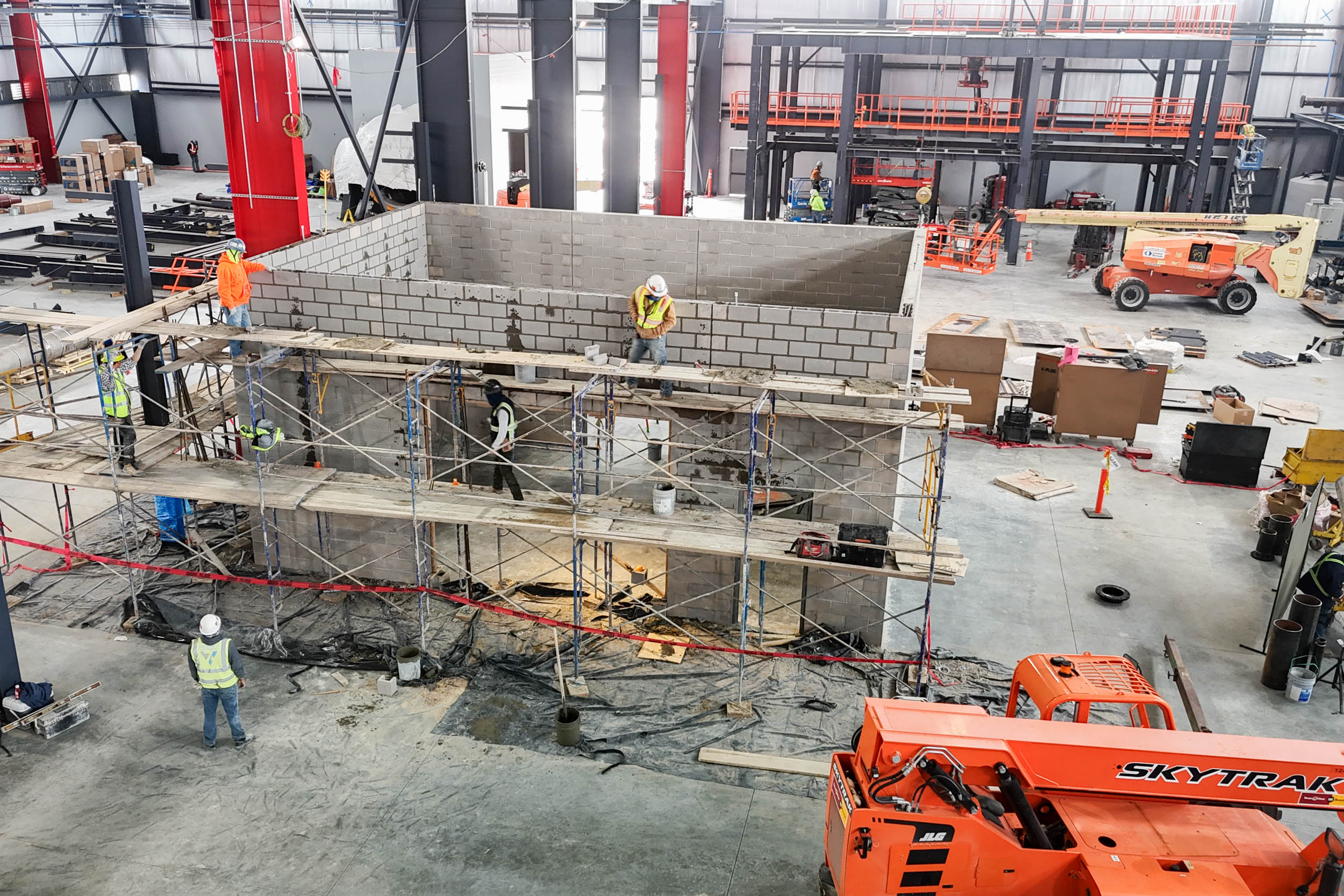
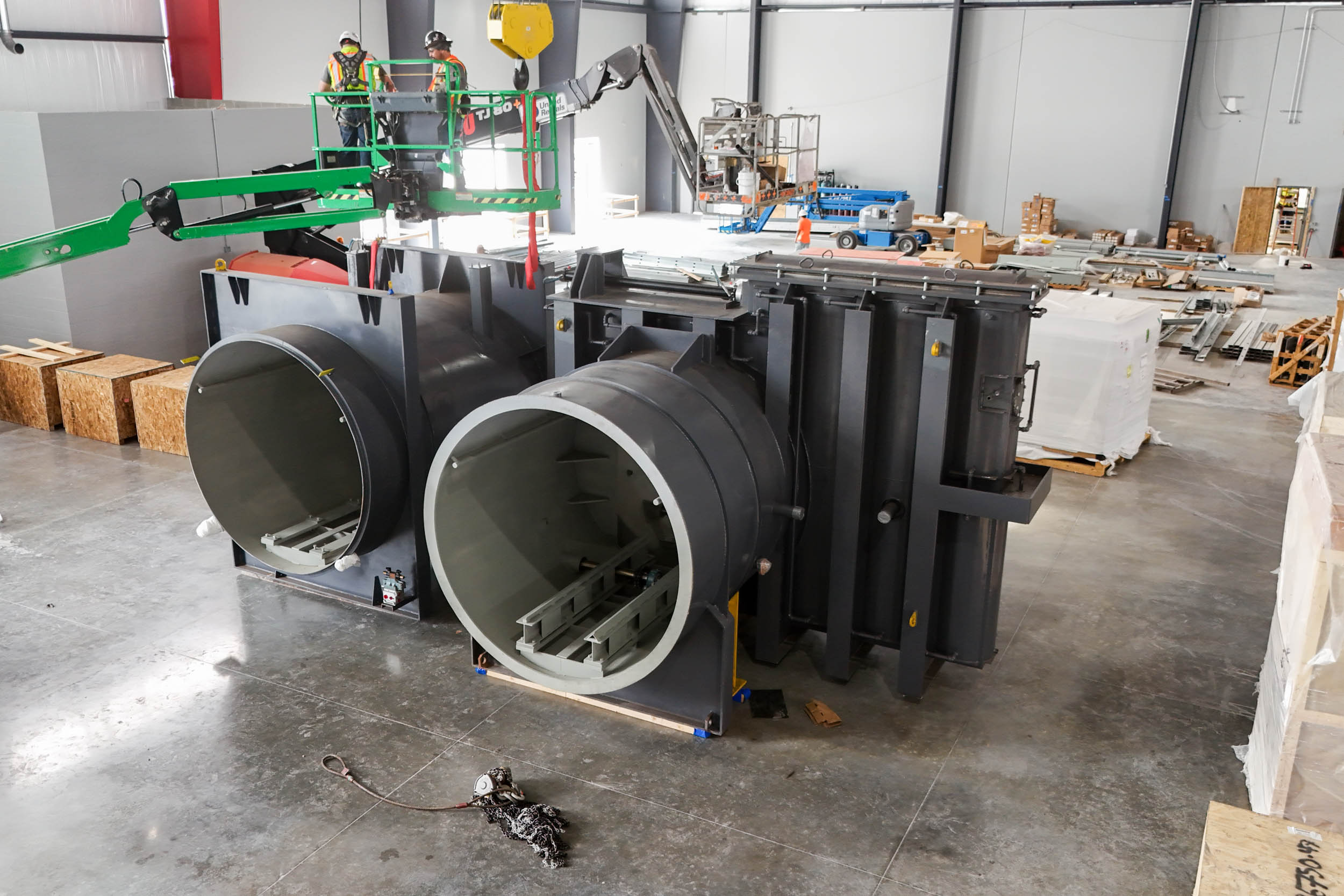
January marked a major step forward for atomizer-related work as critical melt and processing components arrived and installation began. Key deliveries included the rollaway head and melt chamber, with crane-supported set-in-place work underway inside the factory.
Supporting structures and systems advanced in parallel with main equipment installation, including progress on the tundish CMS. These activities require coordinated sequencing across trades to position the atomizer system for upcoming integration and commissioning phases.
Office Building
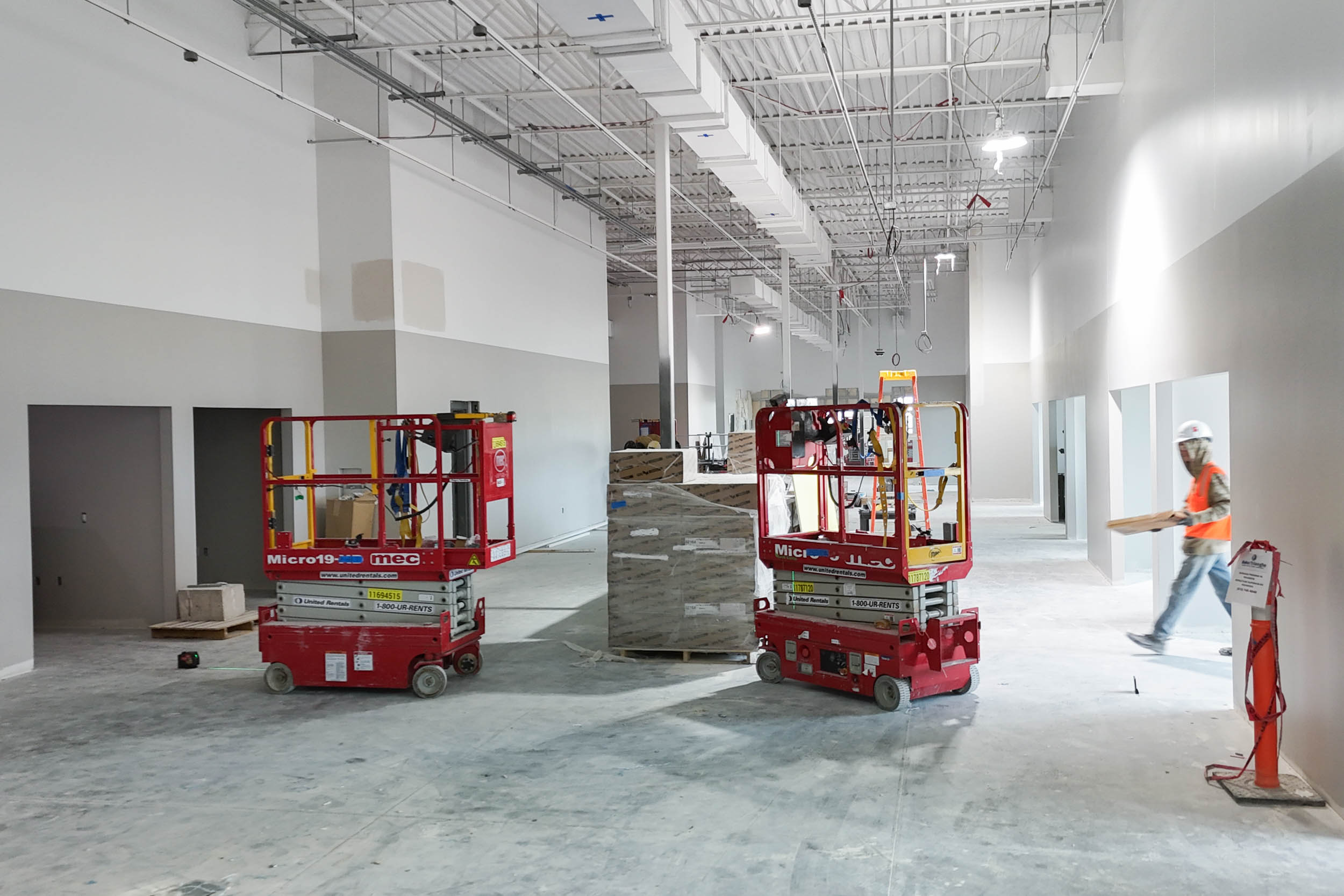
Office spaces moved closer to completion as interior systems and finishes advanced. IT infrastructure work progressed, with the MDF buildout underway to support future connectivity and operations. Drywall, tile, and finish work continued across office areas.
Fire alarm systems were installed, and office spaces fully transitioned off temporary power as permanent systems were energized. With core systems in place, office areas are increasingly positioned to support daily operations.
Laboratory
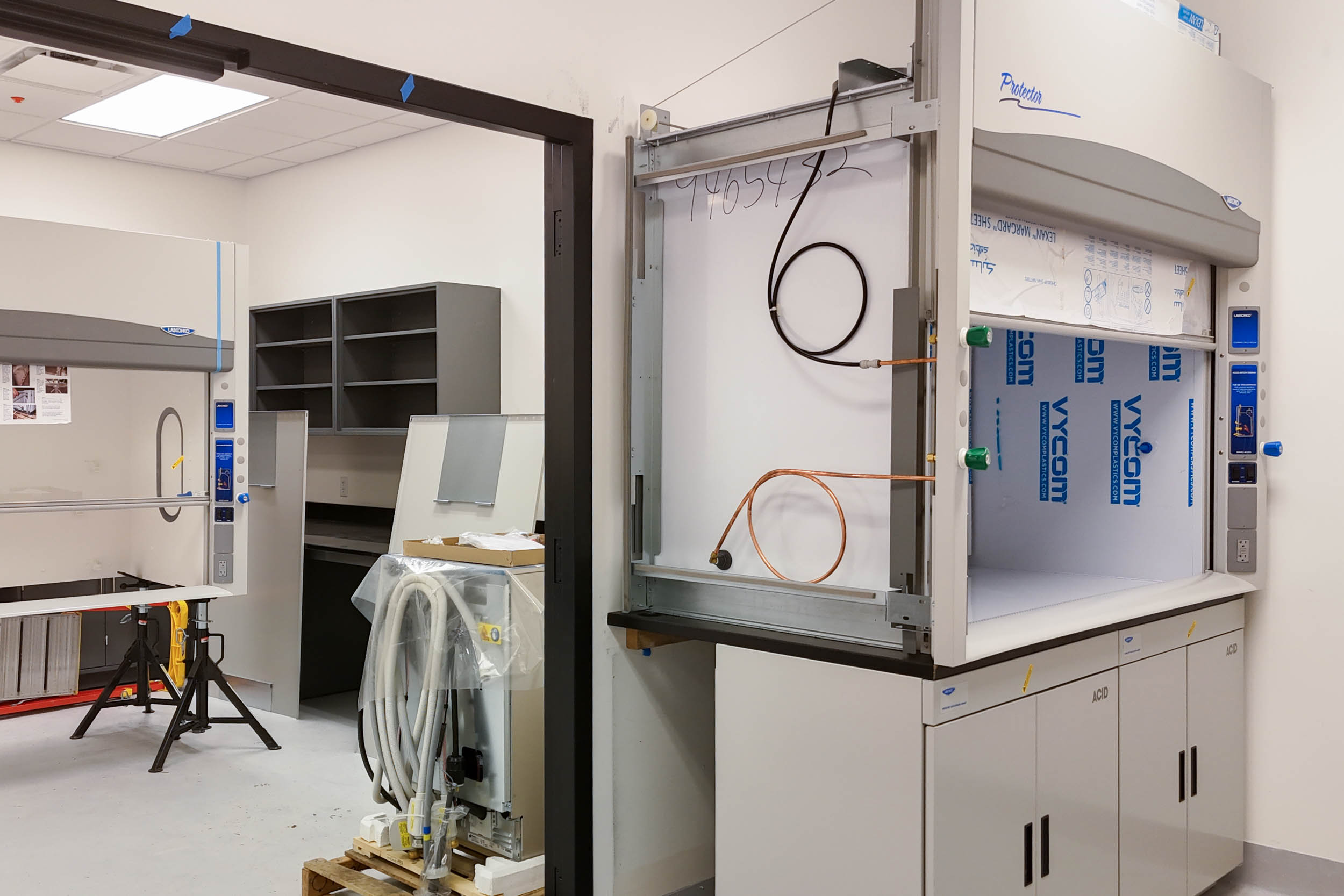
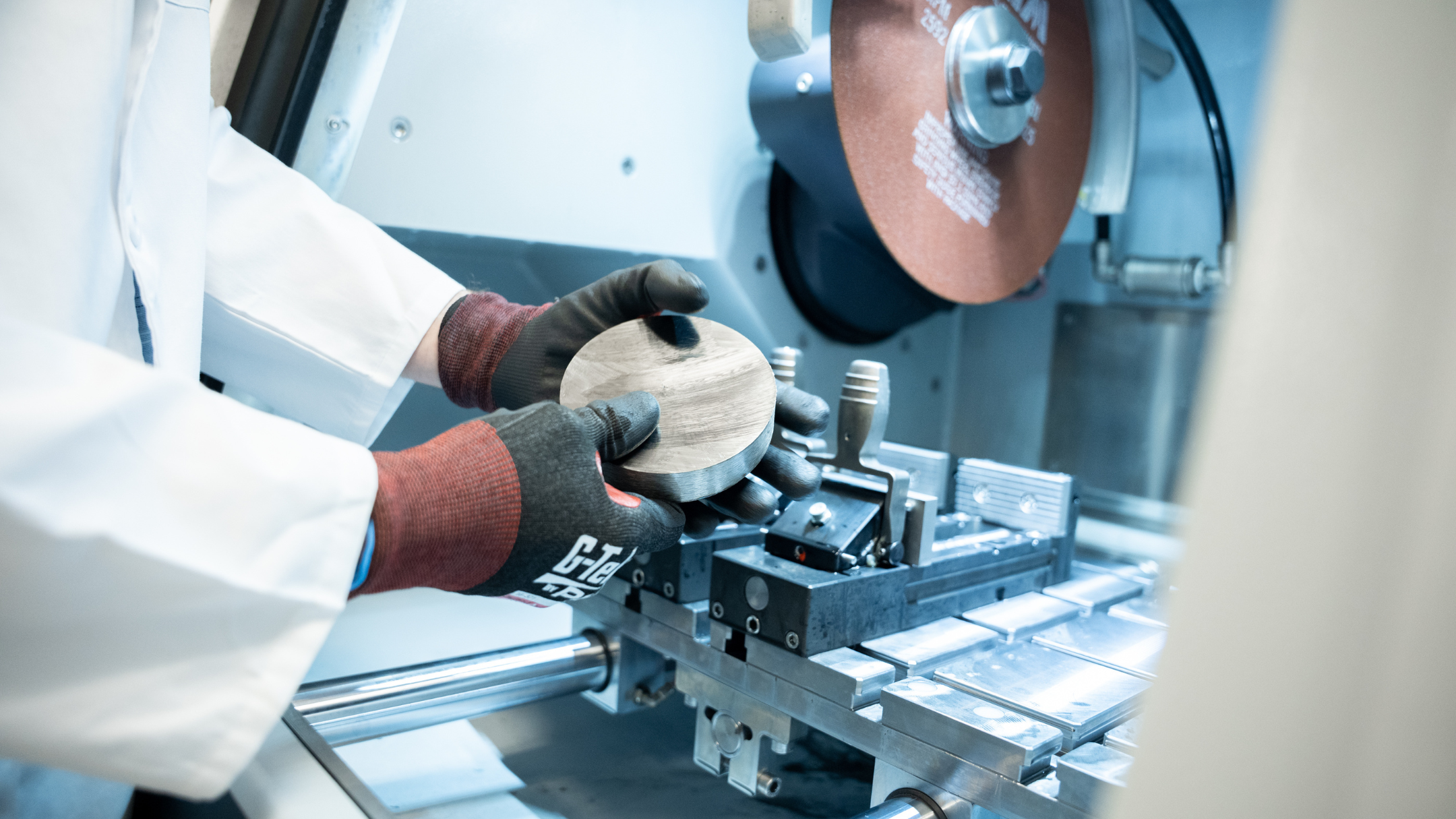
Laboratory work continued in January with focused activity on analytical system installation. Installation of the XRF system began early in the month, marking continued progress on integrating laboratory equipment with permanent utilities.
This work builds on prior laboratory milestones and reflects continued advancement of laboratory systems in preparation for upcoming testing and validation activities.
Looking Ahead
In February, teams will focus on continued equipment installation and system integration across the factory and laboratory.
“This project continues to move forward because of the focus and collaboration across our teams and partners. Each completed installation strengthens our ability to transition from construction into commissioning and early operations with confidence.”
— Jordan Ralph, Chief Operating Officer
With major infrastructure work complete and core production equipment now on site, attention will remain on sequencing, testing, and readiness as the facility advances toward active operations.
.png)